


Top 5 Roofing Problems Somerset Homeowners Face
Every homeowner knows how much money goes into maintaining a property. There is little that is more important for protecting that investment than your roof. After all, it is the first line of defense against the elements. And it is literally one of the most important components of the structure of the home. So when there are roofing issues, you need to take it very seriously.
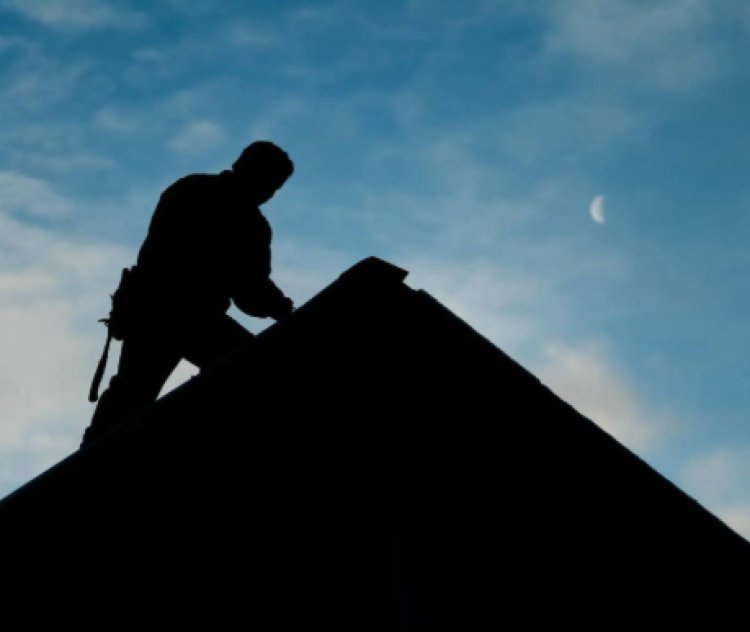


Roof problems can impact the entire structure of the home. If your roof isn’t doing its job right, you can have leaks and water damage that can get very serious and very expensive. Water damage can also lead to issues with mold and mildew, which can be health factors for your family. Or worse, things like ice dams, animal invasion, structural problems, damaged shingles, rotting plywood, and poor insulation and ventilation can literally destroy your roof itself.
With this in mind, homeowners should know both how to identify the signs of the most common roofing issues, and how to get those issues fixed. Timely roofing repairs not only fix the immediate problem, but they also help prevent bigger issues in the future. You know that saying, “An ounce of prevention is worth a pound of cure?” Well, for Somerset roofs, it couldn’t be truer. It is best not to wait until there is a serious problem before calling a Somerset roofing service. In fact, in some cases, it might be too late to get the roofing repaired and you may end up needing the entire roof replaced. Or at the very least, requiring expensive restoration services.
Problem 1: Leaks and Water Damage
Homeowners usually don't think about their Somerset roofs until a problem arises. No one wants to experience the unfortunate effects of water damage and leaking roofs, especially with everything homeowners have been through over the last year. Because of the beating our roofs take from the climate, we felt it was important to inform people of some of the most common roofing problems. Today, we will explore the most common problem among homeowners: leaks and water damage. Roof leaks happen every day. They can be caused by nailing or sealed Somerset roof penetrations, punctures from falling branches or from things being tossed around, or the failure of roof flashing. Flashing is placed around any penetration through the roof for waterproofing. Roof drains, vent pipes, chimney flashings, and other items coming out of the roof all have flashings for waterproofing. As the flashing ages, deteriorations or cracks can take place which can lead to leaking. Other sources of leaking can be old, loose, or missing shingles around chimneys or valleys–the area where two slopes of the roof meet. If it's believed that water is leaking into the house, determining the source is very important. There are times that the source of a leak isn't found where the water is leaking inside the house. Sometimes the water will intrude several feet away from its true source.
Signs of water leakage include dark stains on the ceiling or walls, moldy walls or ceilings, and a musty smell inside the house. These could indicate serious problems such as rotting wood and ceilings or mold in the walls. Once the attic is inspected, the Somerset roof structure needs to be looked at to determine if enough ventilation is in place to eliminate condensation building under the roof deck in the winter.
Common Causes of Roof Leaks
It's pretty obvious that one of the biggest issues Somerset roofs face is leaks. A leak in the roof can lead to lots of problems in your home and is a pretty serious issue. Therefore, it stands to reason that the majority of the calls we get are about Somerset roof leaks. Roof leaks are often a sign that there is something seriously wrong with your roofing installation using roofing shingles. Additionally, water stains will be found on your ceiling and walls as well as mold and mildew if the issue has gone unresolved for too long.
So why is your roof leaking? There are several causes of roof leaks, some are more serious than others. The following is a list of reasons why you could be having leaks in your home. Your shingles are compromised with issues like wind damage, ice, snow buildup, or age. Another reason could be that your flashing is either pulling away or damaged. Flashing really needs to be checked on periodically since it protects the seams and joints that are built into your house.
Vent booting, another problem could possibly be vent booting which are rubber seals around pipes sticking out of your Somerset roof. This boot will be damaged due to wind, snow, ice, and wear. Another potential issue could be sinks and valleys. Over time, the area around the valleys in your roof can become compressed and weak, leading to leaks. The last reason could be that your gutters are clogged. A clogged gutter could potentially cause your roof to leak and is your easiest fix.
Signs of Water Damage
Are you spotting stains or missing patches on your ceiling and walls? Those unsightly marks are really bad signs that there's water damage behind them, and this is probably coming from your roof! Ceilings in bathrooms and kitchens are more likely to get stained because of steam and vapor, but if those marks are in other areas, they are probably not as likely to come from condensation. Pay attention not only to the area below your roof because when roofs start leaking, water descends down your walls to your ceiling, so if you see brown marks at any elevation on these parts of your house, grab a ladder and climb to your attic for closer inspection. Head into your attic and look for any holes in your ceiling, especially those near roofing vents or recessed lights. Check if the surrounding wood is wet or rot. If your attic is insulated, check the thickness of your insulation; is it wet or missing? Wet insulation isn't healthy, as mold can start to grow there, and when the insulation is missing, it might mean water damage is more extensive. Staining on the wood or inside metal vents that lead to the exterior are also telling signs of a leaking roof. If there are holes in your ceiling, then you might be in danger of collapse. As weird as it may sound, there are a couple of ways to see if water is coming from your roof; you can look for evidence of a roof leak in your attic, or a less common method: wait for a heavy rain to happen, get up into your attic, and point a flashlight where it seems that the rain is coming. If that flashlight goes through to the ceiling, it means it has fallen for a reason: water is getting through!
Problem 2: Missing or Damaged Shingles
Missing or damaged shingles can also be problematic, especially if you live in an area with snow, heavy rain, or severe weather. When shingles become bald, develop holes or cracks, or otherwise lose their ability to shed water, their protective qualities are compromised and they do not do a good job of protecting your roof from leaks.
As with just about any other home repair, inspecting your shingles gives you a good chance of catching damaged areas before they cause leaks or other interior damage. If your shingles are missing or damaged, droplets of water can get underneath the roof's exterior surface, causing mold or suspending the Somerset roof deck's plywood and allowing it to sag. If they're peeling, curling, or cracked, it may be because there are improper attic ventilation issues, and your roof is suffering a condition known as dry rot. Before you attempt repairs, check local roofing regulations, building codes, and safety disclaimers, and get a second opinion from the contractor or home inspector who originally worked on your house. It may be worth it to have a licensed roofer inspect your home for missing and damaged shingles. Even though this damage is a minor issue, if you try climbing on your roof when you're not an expert in safety measures, you may wake up in the hospital, especially if your home is on a hill or mountain.
If you've spotted a missing or damaged shingle, or a couple, you can also replace it fairly easily. Here are some tips. Exert care when stripping the damaged shingle. You needn't remove an entire row of shingles, and you don't need to completely unseal the shingles that sit above the damaged shingle, but you'll want to lift them up enough so that you can apply a little force when trying to extract the nails securing the damaged shingle. In particular, you'll want to liberate the shingles' tabs, as these little flaps are what maintain your roof's layout. Use a pry bar if you think the shingle is stuck.
Identifying Shingle Damage
While the Somerset roof of a house serves to protect it from storms, snow, rain, heat, and sunlight, this does not mean it will remain in good condition forever. If your home has asphalt shingles on the roof, you might have noticed that some of them are missing or curled, and that might put your house at risk in the next storm. It is one of the most common types of Somerset roofing damage yet it often goes unnoticed by homeowners. Small and large pieces of shingles can fall off roofs, depending on how bad the damage is.
Another common problem that occurs with age is the curling of asphalt shingles. The corners curl upwards or downwards, making it easy for rain and moisture to seep underneath the shingle, damaging not just the shingle itself but also the boards beneath and the insulation in your attic. Even if your shingles are not missing or curled, they can develop cracks that are barely visible from ground level. Other signs that your roof might need to be repaired include the presence of debris and shingles in your gutters and fungal growth at the edges of the shingles. While asphalt shingles can last for decades, you should have your roof inspected if you notice any of these signs. If your neighbors are also experiencing excessive asphalt shingle damage, you might want to do the same. It could be due to a severe weather event or a storm with high winds that have passed through the area.
Carpenters observe that areas of Somerset roofing which experience a lot of wear will often have exposed fasteners. Especially at the transitions from a roof to a vertical wall, these are the upper fastening points which may become loose or start rotting, allowing moisture to infiltrate. On a roof with an overhang, water and snow melting on the roof constantly drench those areas. If you see mushy areas near the fastening points around chimneys or pipes, bring in the professionals.
How to Replace Missing Shingles
Replacing damaged shingles is straightforward if the Somerset roof structure is in good condition. You will need at least a few replacement shingles and some roofing nails or adhesive caulk. After removing any debris from the roof or roof area under repair, the damaged area should be dry and clear of dust. Using a pry bar, gently lift the edges of adjacent shingles to release their nails. Starting from the top, completely remove any damaged shingles from the roof and remove their nails.
If the replacement shingles are rough-cut, then they will need to be made flat with a hammer or a shingle heater before installation. Install the new shingle into the same position as the one you removed; its bottom should be slightly above the plane of the shingles below. Nail the shingle into place with Somerset roofing nails but remember that, in most instances, only the top portion of the shingle can be nailed down – as this is the only area that won't be covered by the shingle above it; otherwise, the nail heads will be covered and water will leak into the nail holes. Ensure that the new shingle is well adhered and is not sticking up before proceeding. Follow up by reinstalling adhesive caulk or some other adhesive compound under the shingles adjacent to it. Make sure that the newly installed shingle does not sit raised in the area of the removed shingle; otherwise, it will become loose and cause future problems.
Shingles are the first line of protection for the roof structure. For homes with asphalt shingles, it is common for manufacturers to provide warranties from 15 years all the way up to 50 years. Proper installation of all components is very important to avoid retracting these warranties, and installation of the shingles themselves is crucial.
Problem 3: Poor Installation
So, you're dreading a roof replacement because of that outdated style, or your house's shingle Somerset roof has aged past due? Is your vinyl rooftop literally pulling from the roof? A well designed and constructed roof can accent a style while enhancing protection against seasonal extremes. On the other hand, the wrong type of roof can be a homeowner's constant shame.
Roofing materials come in several looks and styles, all made of different materials, but what could cause a Somerset roof to need changing? Well, the factors go well beyond appearance. A typical roof is put through some abuse which, over time, could lead to its repair or even complete replacement. These include aging shingles, leaks, storm damage, improper installation, venting issues, and even pests.
Investing all of that money to have a new roof completely replaced is stress enough. Of course you want it to look great immediately after it is installed, but do you want to feel secure that it will look great in the near future and that your investment will last for years to come? A roof is meant to encourage water and snow to run off of it without causing any damage to your home. You want to have peace of mind, knowing your roof was correctly and safely installed, and that it operates as it should.
Every part of the installation process needs to be correct all throughout the job; as a single improperly executed step leaves its mark on the roof. In order to ensure that a roof maintains its outlook and durability, you want to select a good contractor to do the job. However, not every homeowner knows what to look for when choosing someone, and it could sometimes be hard to clarify if the contractor they hired did in fact do a good job once it is completed.
Signs of Poor Roofing Work
Most of the problems mentioned earlier are incurable or quite costly to fix; the solution lies in prevention. In the case of bad installations, prevention can be achieved if a qualified contractor is chosen. Approved specialists who work with specific brands are the best option for specific Somerset roofs. However, there are many other types of roofing that can be installed and repaired by local contractors. The role of local contractors is very important because well-done and durable work is in the best interest of everyone. To prevent imperfect roofing work when dealing with a local contractor, homeowners should check reviews and ask for recommendations when they are looking for a contractor that works well with their roofing type.
If it isn’t enough to ask for recommendations, the best way to know whether the contractor did a good job or not is to check the houses that the contractor has worked on. If you see that these houses do not have any moss on the roof and that the puddles are draining easily, you can be fairly certain that the installation quality is good. However, even if a contractor made a good Somerset roofing, that roof doesn’t really guarantee durability. Bad installers can put a really good roof on, but since it’s hard to notice any signs of poor work that you can be 100% certain of right away, you won’t know this contractor until a few years have passed and they have had roofing companies correcting their work too often.
Moreover, there are various elements of the roof that will probably start showing serious problems if the installation wasn’t done right. Bad installation is something you can see if bending the shingle edge causes your hand to move easily, as ill-connected shingles become loose after some time. Not using nails doesn’t guarantee anything either. There are also other annoying problems. Rain gutters not properly draining; roofing in a shady yard; improper nailing; improper flashing; poorly made chimney flashing; incorrect installation of roof valley shingles; and finally, heaps of shingles, molds, dents, and cracks all indicate careless work that probably resulted in a bad installation. In case you see some of these signs, you should call a professional as soon as possible!
Choosing the Right Contractor
When encountering a Somerset roofing problem, many types of issues can arise, but one of the most basic yet crucial is the actual installation of the materials that protect your home. It is imperative to choose a qualified contractor to ensure that your roofing system remains intact and fully effective for many years. The contractor's style will depend heavily on the type of roofing you choose, but there are some basic questions every contractor should be able to answer.
First of all, be sure that your contractor and their team are certified and properly insured. Each contractor should have their worker's compensation and liability insurance certificate available for you, and if they do not, ask for it. Insurance coverage protects you and your home if something goes wrong while the work is being completed. A contractor with no insurance puts all liability on you, leaving you liable for injuries sustained by their workers or damage that occurs during installation. Experience is also a factor. A contractor who has been in business for a significant period of time has likely proven that they do quality work and that their clients are satisfied with the final results.
The Somerset roofing company should have reviews from past customers and recognize them online or on their own personal website. Some of the best reviews are word of mouth from friends or family who are satisfied with the work performed, so don't hesitate to ask around. Lastly, if the contractor works with local suppliers, that is another bonus. Since smaller businesses typically perform better long-term, contractors who have developed relationships with area suppliers may be a good bet for you.
Problem 4: Roof Moss and Algae Growth
Moss and algae grow on different types of roofs, and while most of us think of moss clinging to those little hills and valleys on older homes, algae can be found on shingles on various modern houses, as well. Moss typically enjoys the shade offered by the overhanging limbs of trees and grows between the overlapping seams of wooden shingles. But, the truth is that all forms of growth create a serious problem for roofs. Roof moss and algae growth traps heat and moisture, which can cause wood decks, gutters, and rotting eaves. Growth can erode shingles and traps moisture, which invites rot and may even void your Somerset roofing warranty. Cleaning your roof of moss and algae growth should be part of your regularly scheduled roof maintenance plan. Preventive care is best, and it only takes a few moments once or twice a year. What can you do? You can shovel debris off or hire someone to do it. You can trim back trees or hire someone to do it. This is key. Tree droppings encourage growth – rushing onto a wet roof, using a broom, scrubbing and rinsing will usually remove it, but this is risky. Use a broom or a pressure washer or buy a special brush. Still, exercise caution! You can buy an algaecide to spray on, or you can hire a roofing professional if you’re not comfortable with DIY roof maintenance. If you suspect you have damage (such as loose or curled shingles) get a pro to evaluate and repair it before you attempt to clean!
Problem 5: How Moss Affects Your Somerset Roof
Moss is beautiful as long as it stays attached to the rocks on your garden path, but it’s not very pretty when it finds a home on your roof shingles. More importantly, it affects the integrity of your roof. Most people mistake moss for algae. Algae is usually black and comes with a sticky, slippery surface, with a form that resembles black soot. Moss, on the other hand, is green, fuzzy, and fluffy in appearance, with structures that resemble tiny shrubs. Both these growths are equally damaging for your roof and should be treated accordingly.
Both algae and moss prefer humid locations, hence the reason you’ll find them on the north side of your house, where they remain protected from the harsh rays of the sun. Algae usually affect asphalt shingles, while moss can grow on almost any material. Different treatments are involved in removing algae and moss, and unless you call in a roofing professional, you are unlikely to figure out which one you need. That being said, there are a few preventive measures you can take to seal the fate of both algae and moss.
The first step is to get bored with the landscaping around your house and start cutting it back to allow better light to the Somerset roof. Plants that grow close to the roof are usually providing shade to leaks by covering the affected area from the sunlight and preventing it from drying out. Since algae prefer shade, cutting back your landscaping will allow sunlight to do its magic and eliminate the algae. While you’re at it, make sure tree branches don’t overhang on your Somerset roof. They also protect algae and moss from the sun, and it’s never fun ascending the roof with a chainsaw to cut those branches back. Trimming back landscaping and removing overhanging branches will also keep your Somerset roof and Somerset gutter clean, free from any climbing or falling debris.
Preventive Measures Against Growth
If your roof is affected by these organisms, you may consider treating them with bleach house cleaners or a solution recommended by a hardware store. Be sure to follow the product instructions carefully. First, avoid damaging the roofing. Chemicals can easily enter the environment. Therefore, use the least harmful cleaner in the least concentrated amount that will produce results. If you have a young or poor quality roof made from more vulnerable materials, we would recommend hiring a professional. They will know the appropriate methods for your situation, and excessive scrubbing or harsh chemicals can cause significant damage. If you have a concrete or tile roof, it will likely require special consideration and even treatment with a pressure washer. Regardless, if the vast majority of the organisms only occupy small regions of the roof, thus leaving large areas unaffected, radical and invasive measures are only warranted in severe situations. Finally, prevention is the best way to avoid roof growth. Somerset Roofs are living ecosystems, and as such, they rely on the balance of each of their individual components. The following solutions can be adopted to prevent and control such problems from arising. First, ensure proper ventilation. Somerset Roofs should be properly vented in accordance with local building codes. If you don't have enough vents in your roof, it can become warm and moist, providing an ideal climate for growth. If your roof has lots of shade, look into adding skylights or trimming trees. Somerset Roofs are exposed to more sunlight when they are not shaded, and sunlight acts as a natural inhibitor. The less shade your roof has, the less likely it is to suffer from roof moss and algae growth. If you do have trees that touch your roof, look into trimming them. They're not only a nuisance; they can be a primary cause of a roof's shading issue. Optionally, you may choose to treat your roof with an algaecide or zinc strip. The easiest and most reliable way to maintain a less hospitable environment for moss and algae exteriors is to treat the surface with an algaecide regularly.
Somerset towns we offer roofing to:
- Bath
- Bradford-on-Avon
- Bridgwater
- Burnham-on-Sea
- Chard
- Clevedon
- Crewkerne
- Frome
- Glastonbury
- Minehead
- Portishead
- Radstock
- Salisbury
- Shaftesbury
- Shepton Mallet
- Street
- Taunton
- Tiverton
- Trowbridge
- Warminster
- Wellington
- Wells
- Weston-super-Mare
- Yeovil