


StopWatt Reviews and Complaints: What Consumers Should Know Before Buying
StopWatt Reviews


Introduction
High electricity bills can be frustrating, particularly for households that rely heavily on air conditioning, heating, refrigerators, water heaters, computers, and other electrical appliances. As energy costs continue to concern consumers, plug-in energy-saving products such as StopWatt have attracted attention. StopWatt reviews is marketed as a compact device designed to stabilize electrical current, reduce electrical waste, and potentially help lower household electricity expenses.
What Is StopWatt?
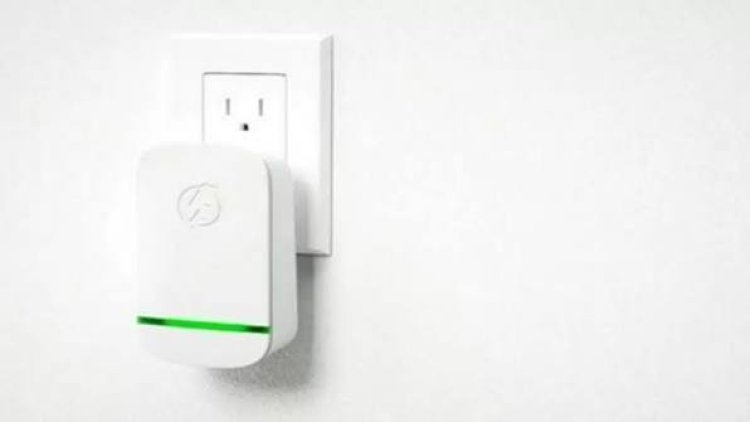
StopWatt is a small plug-in device marketed as an energy-saving solution for homes. According to its promotional materials, the device is designed to be plugged into a standard electrical outlet and is intended to stabilize electrical current and address what the company describes as "dirty electricity." The product is presented as requiring no complicated installation or ongoing maintenance.
Why Are People Interested in Energy-Saving Devices?
Electricity expenses can represent a significant part of a household budget. Consumers naturally look for ways to reduce their bills without replacing every appliance or making expensive renovations. A compact device that can simply be plugged into an outlet sounds attractive because it promises convenience and potentially lower energy costs without major lifestyle changes.
How StopWatt Is Advertised to Work
StopWatt legit marketing says that the device uses electricity-stabilizing technology to smooth electrical current. Its promotional materials also describe the use of capacitors and filtering components intended to address electrical spikes and other forms of electrical noise. These claims are presented as reasons the device could potentially help appliances operate more efficiently.
Understanding Electrical Efficiency
Electrical efficiency is a genuine engineering concept. Appliances and electrical systems do not all interact with electricity in exactly the same way, and concepts such as voltage, current, resistance, inductance, and power factor are important in electrical engineering. However, understanding these concepts is essential before assuming that a small residential plug-in device will produce substantial savings on an electricity bill.
What Is Power Factor?
Power factor describes the relationship between real power and apparent power in an AC electrical system. Power-factor correction is a legitimate technology and can be useful in certain commercial and industrial applications. However, residential electricity customers are generally billed primarily according to real energy consumption measured in kilowatt-hours rather than simply the amount of apparent power flowing through the system.
StopWatt and Power-Factor Claims
Some StopWatt scam -related promotional pages describe power-factor correction or electrical stabilization as part of the product's mechanism. The important question for homeowners is whether such a mechanism produces a measurable reduction in the kilowatt-hours recorded by a residential electricity meter.
Independent coverage has questioned whether the advertised savings can be demonstrated in typical homes. One recent review notes that independent testing available for this broader category of plug-in devices has not established the dramatic residential bill reductions advertised for StopWatt.
Can StopWatt Really Lower Your Electric Bill?
This is the most important question for prospective buyers. StopWatt's marketing claims that the device can reduce electricity waste and help lower bills. However, available independent reporting has not established that the product consistently produces the substantial household savings suggested by its advertising.
That does not necessarily mean every customer will have exactly the same experience. It does mean that consumers should avoid treating advertised savings as guaranteed results.
Why Electricity Consumption Matters
A household electricity bill is strongly influenced by the actual amount of energy consumed. An air conditioner operating for many hours, an electric water heater, a clothes dryer, or other high-power appliance can consume considerably more energy than small electronic devices.
Therefore, identifying the largest sources of electricity consumption is usually an important first step toward reducing a high bill.
Air Conditioning and Energy Costs
In warm climates, air conditioning can be one of the largest electricity consumers in a home. Running an air conditioner continuously or setting the thermostat very low can result in substantial electricity usage.
Regular maintenance, clean filters, appropriate thermostat settings, good insulation, and efficient equipment can provide more direct ways to address air-conditioning-related electricity consumption.
Heating and Electricity Consumption
Electric heating can also have a major effect on household energy usage. During cold periods, electric heaters may operate for extended periods, increasing total kilowatt-hour consumption.
Improving insulation, sealing air leaks, and using heating equipment efficiently can help reduce unnecessary energy demand.
Refrigerators and Freezers
Refrigerators and freezers operate continuously, making their efficiency important over the long term. Older units may consume more electricity than newer energy-efficient models.
Keeping doors properly closed, maintaining appropriate temperatures, and ensuring adequate airflow around the appliance can help prevent unnecessary energy consumption.
Lighting and LED Bulbs
Lighting provides another opportunity for households to reduce electricity usage. Traditional incandescent bulbs consume substantially more electricity than modern LED alternatives for comparable lighting output.
Replacing frequently used incandescent bulbs with LEDs can therefore be a practical and measurable energy-saving step.
Standby Electricity
Many electronic products consume small amounts of electricity while connected to an outlet even when they are not actively being used. Televisions, gaming systems, chargers, computers, and other electronics may contribute to standby consumption.
Unplugging equipment that does not need continuous power can help eliminate some unnecessary consumption.
Smart Energy Management
Technology can make it easier to manage household electricity usage. Smart thermostats, timers, energy monitors, and efficient appliances can help homeowners understand and control consumption.
These technologies have an advantage over vague energy-saving claims because they can help consumers observe actual usage and make targeted changes.
Monitoring Electricity Usage
One of the best ways to understand a high electricity bill is to monitor consumption. Smart meters and energy-monitoring devices can provide useful information about when electricity usage increases.
Once a household identifies its largest energy-consuming appliances, it can concentrate its efforts where savings are most likely to occur.
StopWatt Installation
StopWatt device promotional materials describe installation as straightforward. The company says users can plug the device into an outlet, with some instructions recommending a location close to the home's breaker box. For multiple devices, its materials describe placing units on separate breakers or in different areas of the home.
Consumers should always follow the specific instructions supplied with the product they purchase.
The Green Indicator Light
StopWatt products are advertised with an indicator light that illuminates when the device is plugged into an active outlet. However, an indicator light only demonstrates that the device is receiving electrical power. It does not, by itself, prove that the device is reducing household electricity consumption.
This is an important distinction when evaluating product demonstrations.
Surge Protection Claims
Some StopWatt promotional materials also claim that the device can help eliminate harmful electrical spikes and protect appliances. Consumers should distinguish between general power-conditioning concepts and independently verified surge-protection performance.
For valuable electronics, buyers should look for clearly specified and independently tested surge-protection equipment rather than assuming a general energy-saving device provides comprehensive protection.
The "Dirty Electricity" Claim
StopWatt marketing frequently refers to "dirty electricity" and electrical filtering. Electrical noise and electromagnetic interference are real engineering concepts, but claims about their effects on household energy bills should be evaluated separately.
Filtering electrical noise does not automatically mean that a home's appliances will consume substantially fewer kilowatt-hours.
What Independent Reviews Say
Independent opinions about StopWatt are mixed, but several recent sources raise concerns about its bill-saving claims. One recent analysis states that independent testing of this product category has not demonstrated meaningful reductions in residential electricity consumption and notes that some tested units actually showed slightly increased consumption.
Another recent consumer-focused review similarly concludes that the dramatic residential savings claims remain unverified.
Looking at Customer Reviews
Customer experiences are also mixed. StopWatt's Trustpilot profile currently shows a low overall rating, with many reviewers reporting dissatisfaction and saying that they did not notice reductions in their electricity bills.
At the same time, some individual reviewers report personal experiences that they believe were positive. Such testimonials can be interesting, but they cannot establish that the device will produce the same results in every home.
Why Testimonials Are Not Enough
Electricity consumption changes naturally from month to month. Weather, appliance use, household occupancy, holidays, electricity rates, and heating or cooling requirements can all affect a bill.
Consequently, a lower bill after installing StopWatt does not necessarily prove that the device caused the reduction. The same principle applies to a higher bill after installation.
How to Evaluate an Energy-Saving Device
Consumers should look for independent laboratory testing, detailed technical specifications, credible electrical certifications, and transparent information about the company selling the product. Independent testing should ideally measure actual electricity consumption before and after installation under controlled conditions.
Claims based only on testimonials, promotional videos, or dramatic percentages deserve additional scrutiny.
Be Careful With Guaranteed Savings
Different StopWatt-related sales pages currently advertise different potential savings figures. For example, one page advertises savings of up to 45%, while another uses different claims and states that actual savings depend on household circumstances.
This variation is one reason consumers should not assume that any advertised percentage represents a guaranteed reduction in their own electricity bill.
Calculate the Potential Payback
Before purchasing any energy-saving product, consumers can calculate a simple potential payback period. If a device costs a certain amount, the expected monthly savings would need to exceed that cost over a reasonable period for the purchase to make financial sense.
If there is no reliable evidence supporting the expected savings, calculating payback becomes difficult.
Practical Ways to Reduce Electricity Bills
Regardless of whether someone chooses to purchase StopWatt 2026 , there are several practical approaches to lowering electricity consumption. These include using LED lighting, improving insulation, maintaining HVAC equipment, washing clothes with appropriate settings, reducing unnecessary heating and cooling, and turning off equipment that does not need to remain operational.
These strategies directly target energy consumption.
Upgrade Inefficient Appliances
Older refrigerators, air conditioners, washing machines, dryers, and other appliances can consume considerable amounts of electricity. When an appliance reaches the end of its useful life, replacing it with an efficient model can provide measurable long-term benefits.
Consumers should compare energy-use estimates when choosing replacement equipment.
Improve Home Insulation
Poor insulation can allow conditioned air to escape, forcing heating and cooling equipment to operate longer. Sealing gaps around doors and windows and improving insulation can reduce the amount of energy required to maintain comfortable indoor temperatures.
For some households, these improvements may offer more meaningful long-term savings than a plug-in device.
Develop Better Energy Habits
Simple habits can add up over time. Turning off unnecessary lights, adjusting thermostat settings, avoiding excessive appliance use, and unplugging equipment that is not needed can reduce electricity consumption.
These actions cost little or nothing and directly affect how much electricity a household uses.
Is StopWatt Worth Considering?
StopWatt complaints may be appealing because it is compact, simple to install, and marketed as requiring little maintenance. However, consumers should approach its energy-saving claims cautiously because independent evidence supporting dramatic reductions in typical residential electricity bills remains limited.
The product's existence as a physical device should also be distinguished from the question of whether its advertised performance is independently proven.
Final Verdict
StopWatt official is marketed as a plug-in energy-saving device designed to stabilize electrical current, address electrical noise, protect appliances, and reduce electricity waste. The underlying electrical concepts mentioned in its marketing are real, but that does not establish that the device can deliver the large residential bill reductions sometimes advertised.
Recent independent reporting has raised significant questions about the effectiveness of this category of plug-in energy-saving products, while customer reviews include substantial dissatisfaction.
For anyone considering StopWatt, the safest approach is to avoid treating advertised savings as guaranteed. Examine your electricity bill, identify your biggest sources of consumption, compare independent evidence, and prioritize proven energy-efficiency measures.
Ultimately, the most reliable way to stop wasting money on high electric bills is to understand where your electricity is actually going and address those sources directly. A combination of efficient appliances, smart energy habits, good insulation, appropriate heating and cooling practices, and careful monitoring can provide a stronger foundation for long-term savings than relying entirely on a single plug-in device.