



14 Pro Tips for Your Own Uber like Transportation App
Discover 14 expert tips for creating your own Uber-like transportation app. Learn how to design, launch, and optimize your app now!
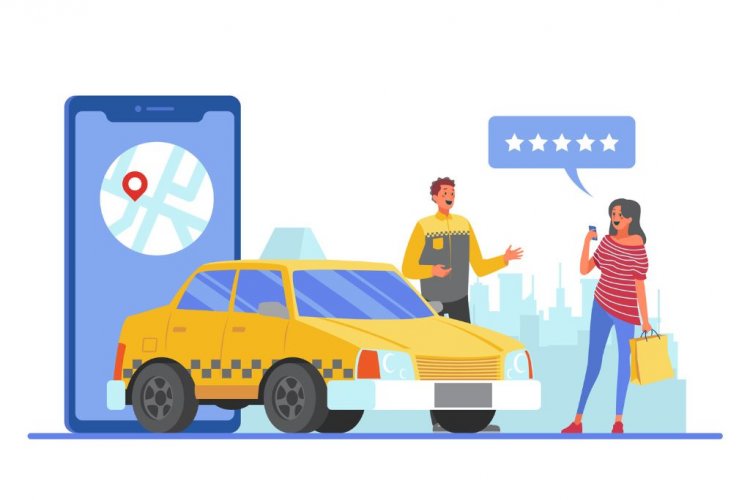


Transportation networks powered by smartphone apps have revolutionized the way people move around in cities. By leveraging technology to seamlessly connect riders with drivers, companies like Uber, Lyft, and Ola have seen explosive growth worldwide. Their success stories inspire many entrepreneurs to consider launching similar on-demand transportation platforms of their own.
However, developing and scaling a sustainable transportation startup requires a high degree of planning and following industry best practices. This guide provides 14 pro tips compiled from top mobility companies and experts to help you launch and grow your very own Uber-like transportation app.
Tip 1: Consider your target market and location
The first step is choosing the right city or region as your initial market. Carefully research the demographics, population density, average income levels, and current transportation infrastructure of different locations. Look at ridership data of existing public transportation systems to gauge demand.
Studying local traffic patterns and points of interest like airports, central business districts, entertainment zones, and colleges will reveal transportation pinch points and gaps in services. Factor in climate and geographical factors that influence mobility habits as well.
Evaluate the competitive landscape by analyzing how many rideshare apps currently operate in each potential market. Markets with fewer big players present a better opportunity for another transportation startup to succeed. Once you zero in on a location, tailor your offering to best meet the specific needs of local riders.
Tip 2: Design an intuitive, user friendly app interface
Your app's interface is critical to onboarding new users and delivering an excellent experience. Take inspiration from interfaces of the most popular transport apps currently in use. Optimize for quick and simple booking of rides through frictionless registration/login flows.
Ensure prompt estimated fare and trip duration displays and allow instant payment seamlessly. Design for effortless in-app navigation to desired pick-up and drop-off points using geolocation. Prioritize big touch targets, minimal clicks/taps and familiar interactive elements users already understand.
Key additional features to incorporate include real-time driver and vehicle tracking, communication features to contact drivers, multiple drop-off points, and integrated maps. Conduct user testing from design stage itself to refine the UI/UX based on feedback. Build a support portal within the app as well. Visit: https://zipprr.com/uber-clone/
Tip 3: Onboard and manage your driver network effectively
Recruiting and retaining qualified drivers is business-critical for any transportation startup. Set up an optimized online application process for drivers that ensures thorough background verification too. Use recruitment incentives judiciously.
Train your drivers following industry best practices for soft skills, safety protocols, usage of your app's dispatch and tracking features. Deploy GPS and telematics to monitor vehicles, streamline operations and enable dispatch based on real-time driver and vehicle locations.
Provide ongoing assistance through a dedicated driver support team available 24/7 on call/chat. Offer competitive pay rates and bonuses for special projects or operational targets met. Track and address any driver complaints/issues promptly to sustain high driver satisfaction levels.
Tip 4: Offer multiple convenient payment options
Integrate seamless in-app payments through major credit/debit cards, net banking, online wallets and digital cash to cater to varied user preferences locally. Enable auto-payment to connected user accounts for repeat/frequent riders.
Consider localized cash payment options as well to expand your reach to a wider potential rider base with limited access to digital payment modes. Maintain fully secure processing for all transactions as per industry standards to protect sensitive customer data.
Offer corporate clients fleet billing options for efficiently reimbursing employee rides. Evaluate tie-ups with reward programs and merchant partners for payment alternatives like loyalty/cashback options on rides. Continuously add new payment options based on evolving technology and usage trends.
Tip 5: Focus on safety and trust features
Riders and drivers safety should be a key priority. Integrate verified digital identity checks for driver onboarding. Allow for real-time ride tracking with optional share-tracking to chosen contacts for added reassurance.
Enable prominent in-app emergency call buttons directly connected with your 24x7 emergency response team. Build community guidelines and report mechanisms for timely redressal of any issues. Conduct periodic screenings and training to uphold code of conduct.
Leverage predictive ratings and feedback systems to profile driver and rider behavior over time. Incentivize good conduct through recognition programs and use ratings for accountability as well. Proper safety protocols and transparency will help establish your brand as a trusted mobility service.
Tip 6: Build partnerships for additional services
Partner with popular food aggregators and grocery delivery services to allow scheduling rides for delivery partners along with items. Collaborate with hotels and airports to offer convenient pick-up/drop services for guests and travelers.
Approach corporate clients across industries like e-commerce, finance, consulting for exclusive ride service contracts to cater employee commutes and work travels. Explore bundling your app with insurance policies for added protection during transport.
Such strategic tie-ups will extend your platform’s reach and use cases while also bringing in incremental revenue streams. Maintain positive relationships with partners through prompt service level agreements.
Tip 7: Utilize geo-location and mapping technology
Your mapping backend powers core functionalities from accurate ETAs to navigating rides. Integrate with industry-grade mapping APIs/SDKs to precisely determine pick-up and drop-off locations using geo-coordinates.
Enable geo-fencing and alerts based on vehicle entry/exit from pre-defined zones like airport boundaries, toll plazas etc. Calculate real-time dynamic fares based on actual distance traveled which is geo-location tracked end-to-end.
Utilize mapping and geo-spatial analytics to identify high traffic routes, congestion hotspots and underserved areas for route optimization, capacity planning and potential service expansion. Real-time rider locations further aid in accurate driver dispatching and navigation.
Tip 8: Price competitively while maintaining margins
Benchmark your base fares and per minute/km charges against competitors factoring local operation costs and desired profitability margins. Experiment with dynamic surge pricing during peak demand times and monitor rider responses closely.
Offer volume-based discounts like 10-20% off on riding a minimum number of trips every month. Launch bundled subscription packages for frequent commuters priced better than pay-as-you-go model. Explore partnerships to bundle your app with phone plans, insurance or public transit for lower shared costs.
Periodically analyze trip, payment and cancellation data to optimize revenue management strategies. But focus on retaining price points travelers find reasonable while still allowing healthy business growth and sustainability in long run.
Tip 9: Launch effective customer acquisition campaigns
Referral programs where new users get sign-up bonuses or existing users get ride credit for each successful referral are proven demand boosters. Engage influencers and micro-influencers from target communities to feature your brand on social media organically.
Run digital campaigns leveraging location-based triggers on platforms. Launch discounted or no-cost introductory ride offers on your app's launch or seasonally to drive initial trials converting to loyal users. Partner with event spaces, retail stores you could distribute promotional codes through.
Measure impact of each acquisition tactic towards registrations, monthly active users and ride volumes. Continuously refine your marketing strategies over time based on ROI analysis of past campaigns.
Tip 10: Establish 24/7 reliable customer support
Customers expect prompt support for any issues or queries regarding your service. Staff phone/chat/email support channels with trained agents during all hours of operations including nights.
Build a robust knowledge base within your support center to efficiently address common FAQs like billing, cancellations etc. Empower agents to provide resolution or escalate critical issues within defined SLAs.
Use in-app chatbots integrated with AI/NLP for basic automated support to minimize wait times. Track support metrics to identify pain points and close knowledge/service gaps over time. Highlight quick support responses as a key strength to build trust in your brand.
Tip 11: Analyze data and gather market insights
Leverage analytics to gain valuable business intelligence. Closely monitor popular pick-up points, high traffic routes, surge hotspots, preferred trip times and durations. Identify underserved localities/times that need optimized fleet allocation or new services.
Periodically survey customers qualitatively on their overall experience, satisfaction levels, preference for upcoming features, payment and safety perception. Also gather feedback from inactive users on reasons for drop-off and how to win them back.
Benchmark your platform KPIs with competitors. Analyze correlation of marketing campaigns with engagement & conversions. Such deep market understanding will help position your offering better as per evolving user needs.
Tip 12: Maintain focus on continuous product improvements
Post-launch do not rest on initial successes. Prioritize ongoing product innovation based on data-driven insights and feedback. Regularly roll out new features like vehicle sharing options, intelligent routing, live ETAs, loyalty programs etc.
Strengthen existing pillars of safety, transparency and payment security through technology/protocol upgrades. Swiftly address bugs, glitches or performance issues to ensure uninterrupted operations.
Promote app updates aggressively through personalized in-app notifications, referral programs and social media shout-outs. Continuous refinement is key to retain users in intensely competitive on-demand mobility industry.
Tip 13: Consider future expansion opportunities
With increased adoption and operating experience in initial markets, evaluate potential to geographically scale into new cities/regions. Conduct thorough feasibility studies factoring local regulations, infrastructure readiness, competition intensity and potential market size.
As your rider base grows, introduce new shared mobility services like shuttle/pool rides to optimize fleet utilization. Explore partnerships with public transport agencies to offer integrated multi-modal commute options for first and last mile connectivity.
Diversify into adjacent logistics spaces, for example non-emergency medical transportation, food/grocery delivery, courier services etc. Leverage existing assets, tech capabilities and brand equity. Explore strategic M&As that accelerate entry into complementary sectors supporting on-demand mobility needs.
Tip 14: Build your transportation startup brand
Craft a compelling brand identity and core values proposition aligned to your service qualities. Develop crisp brand guidelines covering logo usage, style elements, visual & verbal communications across marketing collaterals, website and apps.
Engage in impactful CSR campaigns around community initiatives, environmental sustainability and driver welfare to build loyalty through emotional connect. Sponsor relevant mobility conferences, hackathons and innovation projects to position as an industry thought leader.
Focus on consistently delivering best-in-class customer and driver experience to garner sincere word-of-mouth endorsements over time. Measure brand health through surveys along dimensions of awareness, perception, advocacy and reputation compared to competitors in target markets.
Conclusion
Launching a successful on-demand transportation business catering to the mobility needs of communities requires diligent upfront planning guided by proven strategies. This article outlined 14 actionable tips covering critical aspects like market selection, product design, network expansion, payments, safety, partnerships, pricing, marketing, customer support, data analytics, innovation and brand building.
While competition remains intense given industry giants, adapting global best practices tailored to local conditions and prompt execution present a viable opportunity. Continuous product refinements based on learnings along the way coupled with high service quality will help sustain growth momentum and realize longer term scalability goals as well.
Entrepreneurs with a vision to revolutionize transportation and logistics in their regions through technology can potentially turn their mobility dreams into reality by following this expert guidance. Proper groundwork and commitment will determine success in emulating thriving on-demand transportation models empowering convenient, affordable and responsible travel globally.